The One-Question Film Night: A Theme That Holds a Double Feature Together
A one-question film night connects contrasting films with a shared idea, giving your double feature a clear thread and an easy way into conversation.
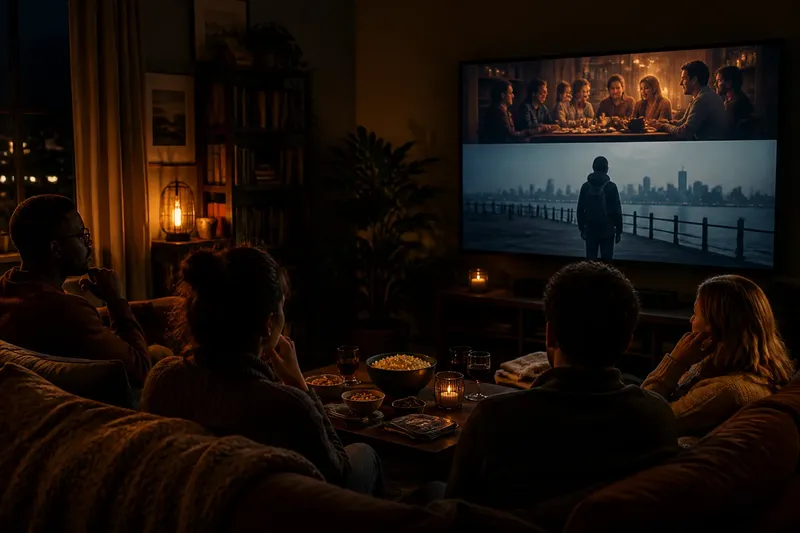
What can make two very different films feel like they belong in the same evening? A one-question film night gives a double feature a shared point of curiosity without asking the films to match in genre, plot or conclusion. Choose a question that both can approach from different directions, and the contrast becomes part of the programme rather than a problem to solve.
Choose a question that leaves room for disagreement
A useful theme is not a verdict disguised as a question. “Is ambition good?” can push the group towards a yes-or-no debate, while “What does ambition ask someone to give up?” invites attention to choices, relationships and consequences. The films need not offer matching answers.
Keep the wording open enough for different interpretations, but concrete enough to guide your selection. “What makes a home?” can lead towards family, place, habit or belonging. “What do we owe strangers?” gives a pair of films room to disagree about responsibility without becoming unrelated.
Try saying the question aloud before settling on it. If it sounds like an essay assignment, loosen it. If it could apply to every film ever made without changing meaning, add a sharper detail: “When does loyalty become a burden?” has a more useful edge than “What matters in life?”
Build the pairing around contrast, not resemblance
Start with the question, then look for different ways a story might meet it. One film might place a character inside a close-knit community; another might follow someone choosing distance. A comedy can sit beside a drama if each makes the group notice a different consequence of the same idea.
Genre is one source of contrast, but it is not the only one. Consider the scale of the story, the age or position of its central characters, the setting, the pace, or whether the narrative stays close to one person or moves between several. A small domestic story and a sprawling adventure may both ask what people will risk for belonging, while making that risk feel entirely different.
Make a private note for each film: “This film approaches the question through…” Finish the sentence in a few words, such as “a family’s silence” or “a newcomer’s first decision”. If both notes end up saying nearly the same thing, keep looking. The pairing will have more to offer when the films illuminate separate sides of the question.
Check that each film can carry its own weight
A themed double feature should not make either selection feel like homework. Choose films you would be glad to watch on their own, then ask whether the shared question adds a worthwhile angle. If the connection only appears after a long explanation, it may be too thin for an evening together.
Think about the experience in the room as well as the idea on paper. A sharply comic first film followed by a quiet, unsettling one can create a deliberate shift in mood, but the group may need a pause before the second begins. Two intense films back to back may leave little energy for conversation. There is no ideal combination; the decision depends on the guests and the kind of evening you want.
Also consider practical viewing details: access to suitable versions, subtitles where needed, and whether the group can comfortably follow both films. Check relevant labels, distributor guidance and local rules for age suitability and content. You do not need to announce every possible concern, but a clear heads-up about an element that may affect a guest lets them make an informed choice.
Introduce the question lightly
Before the first film, give the group the question and one sentence about the pairing. Avoid explaining what everyone is supposed to notice. A short invitation such as “These films look at belonging from very different corners; see what each one seems to ask of its characters” offers a thread without turning the screening into a hunt for clues.
Say the question once, then let the film take over. A printed card by the snacks or a note on the television can help people remember the theme, but repeated reminders can make the evening feel like a seminar. The point is to make attention available, not to test it.
If a guest has not seen one of the films before, avoid giving away turns or outcomes while introducing the connection. Describe the question, not the answer. That keeps the invitation welcoming for first-time viewers and leaves room for people to respond to what they actually see.
Let the pause between films do some work
The interval is useful for practical things first: refill glasses, stretch, use the loo and decide whether anyone needs a longer break. A brief pause can also let the first film settle, but there is no need to demand immediate analysis. Some people notice their response only after a little quiet.
If the group is ready to talk, ask for one concrete detail rather than a verdict. “Which moment made the question feel most present?” can draw attention to a gesture, setting or choice. It is easier to answer than “What did the film mean?” and less likely to invite a speech from the most confident person in the room.
Say you have chosen a warm family comedy followed by a restrained drama, both under the question “What does staying loyal cost?” After the first film, one guest might mention a character hiding a small truth to protect a relative. Another might focus on the way the family’s jokes keep an awkward subject at a distance. Those observations do not need to agree; they give the second film something specific to meet, complicate or ignore.
Keep the conversation attached to what happened on screen
Questions tend to work best when they point back to visible choices. Who had the power to act in a particular scene? What changed after someone made a decision? Did the camera, setting or pace make that moment feel funny, tense or tender? Such prompts keep discussion grounded without requiring technical vocabulary.
Leave space for people who prefer to listen. A round in which everyone must speak can make a relaxed night feel compulsory, especially if a film touched a personal subject. Let someone pass, and do not treat a personal disclosure as an opening for the room to diagnose or debate their experience.
Not every conversation needs a moderator. If the discussion wanders to a related memory or a disagreement about a character, it may still be lively and worthwhile. Bring it gently back only if the group has lost the thread and seems to want one.
Use the second film to deepen the question
The second selection does not have to answer the first. It can reverse its assumptions, make the question harder, or show that the wording needs adjustment. That movement is the reward of a double feature: the audience has more than one story in mind when it decides what it thinks.
After the credits, try a question that allows for both connection and difference: “What did the second film change, if anything, about how you saw the first?” A guest might say the earlier story now feels more generous; another might think the contrast made the films’ different values clearer. Neither response needs to become the official reading.
It is not worth the effort to force a clever link between every prop, colour or character. A theme can hold through a shared question even when the films have no obvious visual motif. If the group notices a surprising echo on its own, enjoy it; the connection should be discovered, not planted like a scavenger hunt.
Questions that help shape a one-question film night?
How do I choose a question for two films?
Begin with an idea that genuinely interests your group, then phrase it so that more than one answer feels possible. Check that each film approaches it through a distinct situation, choice or relationship rather than repeating the same point.
Do the films need to share a genre?
No. A comedy and a drama can make a strong pairing if their contrast helps the group see different sides of the question. Mention the shift in mood beforehand so guests know what sort of evening they are joining.
What should I ask between the films?
Try asking which scene made the theme most noticeable, or which choice a character seemed unable to avoid. These prompts invite specific observations without asking anyone to settle the meaning of the whole film.
What if nobody wants to discuss the films?
Let the quiet stand and enjoy the evening as a screening rather than a discussion event. The question can still shape what people notice, even if nobody wants to put their thoughts into words afterwards.
Finish with a question worth carrying home
A good one-question film night does not end with the group agreeing on a lesson. It ends with a sharper curiosity than the one they brought in, or with a fresh sense of why two stories that look unrelated can sit beside each other.
For your next one-question film night, save the wording that worked and note where the pairing felt lopsided. That small record makes the next choice easier without turning the evening into a formula: the question stays central, while the films remain free to surprise the people watching them.